
 English
 Español
 Portugues
 Pусский
 Français
 Deutsch
 日本語
日本語 한국어
한국어 العربية
 Italiano
 Nederlands
 Svenska
 Polski
 Türk dili
 हिन्दी
 Indonesia
 Melayu
 dansk
dansk Magyar
 қазақ
қазақ বাংলা
বাংলা עִברִית
 українська
 беларускі
 Filipino
 Suomalainen
 اردو
اردو հայերեն
 български
 Hrvatski
 galego
 नेपाल
नेपाल euskara
 Shqipëria
 Malagasy
 Башҡорт
 Türkmenler
 Ilocano
 Нохчийн


Reactive Power Controller
Reactive Power Controller: An Overview A Reactive Power Controller (RPC) is a critical component in electrical power systems, designed to manage and optimize reactive power flow to enhance grid stability, improve power quality, and reduce energy losses. Reactive power, measured in volt-amperes reactive (VAR), is essential for maintaining voltage levels and ensuring efficient operation of inductive loads such as motors, transformers, and transmission lines. However, excessive or insufficient reactive power can lead to voltage fluctuations, increased losses, and reduced system efficiency. Key Functions of a Reactive Power Controller 1. Voltage Regulation: The RPC dynamically adjusts reactive power compensation to maintain stable voltage levels within permissible limits, preventing under-voltage or over-voltage conditions. 2. Power Factor Correction: By controlling reactive power injection or absorption, the RPC improves the power factor, reducing line losses and enhancing the efficiency of power transmission and distribution. 3. Harmonic Mitigation: Advanced RPCs incorporate filtering capabilities to suppress harmonics, ensuring cleaner power supply and protecting sensitive equipment. 4. Grid Stability Enhancement: In renewable energy systems (e.g., solar or wind farms), RPCs help mitigate voltage fluctuations caused by intermittent generation, ensuring smooth grid integration. Types of Reactive Power Controllers - Static VAR Compensators (SVCs): Use thyristor-controlled reactors and capacitors to provide fast reactive power adjustment. - Static Synchronous Compensators (STATCOMs): Employ voltage-source converters for precise and rapid reactive power control with superior dynamic response. - Capacitor Banks & Reactors: Mechanically switched devices for basic reactive power compensation, often controlled by an RPC for automated operation. Applications RPCs are widely used in: - Industrial plants to optimize motor-driven systems. - Transmission networks to enhance voltage stability over long distances. - Renewable energy systems to comply with grid codes and support fluctuating generation. Benefits - Reduced energy costs by minimizing reactive power penalties. - Improved equipment lifespan through stable voltage and reduced harmonics. - Enhanced grid reliability by preventing voltage collapses. In summary, a Reactive Power Controller is indispensable for modern power systems, ensuring efficient, stable, and high-quality electricity supply. Its adaptability makes it vital for both conventional grids and emerging renewable energy applications.
produkt
Klasifikace:
Controller
-
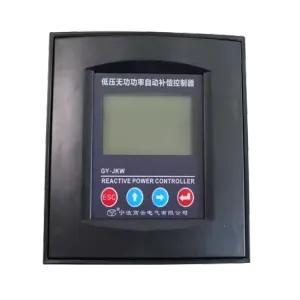
Controller For Reactive Power Compensation
kategorie: ControllerPohledy: 43sériové číslo:čas vydání: 2025-12-18 14:32:25Insight and Industrial Applications Reactive power compensation is a foundational element of modern power distribution design, particularly in industrial and commercial electrical systems where efficiency, equipment reliability, and regulatory compliance are paramount. At the heart of effective compensation systems lies an intelligent controller that governs how reactive power is measured, managed, and corrected in real time. This article examines the role, technology, structural characteristics, performance determinants, procurement considerations, common challenges, application scenarios, and future trends associated with controllers for reactive power compensation.
zprávy
Klasifikace:
Zatím žádné výsledky vyhledávání!
pouzdro
Klasifikace:
Zatím žádné výsledky vyhledávání!
video
Klasifikace:
Zatím žádné výsledky vyhledávání!
stažení
Klasifikace:
Zatím žádné výsledky vyhledávání!
nábor
Klasifikace:
Zatím žádné výsledky vyhledávání!
Doporučené produkty
-
NEWS
Controller For Reactive Power Compensation
dozvědět se více



 Whatsapp
 Telefon